

When a drain smells bad, the cause is often sewer gas, trapped waste, bacteria, or a dry P-trap. Food, hair, grease, soap, and slow flow can also create odors. Simple cleaning may help one fixture, but leaks, strong sewage smells, or several affected drains need professional plumbing help.
Table of Contents
- Why does my drain smell bad?
- Can a dry P-trap make a drain smell bad?
- What causes a rotten egg smell from a drain?
- Why does my bathroom sink drain smell bad?
- Why does my kitchen sink drain smell bad?
- Why does my shower or bathtub drain smell bad?
- Can a blocked or slow drain cause bad smells?
- How can I get rid of a bad drain smell safely?
- When should I call a plumber about a smelly drain?
- How can I prevent drain smells from coming back?
- Frequently Asked Questions
- Key takeaways
- Conclusion
Why does my drain smell bad?
A bad drain smell often comes from waste, bacteria, sewer gas, or a dry trap. The best fix depends on where the odor starts and how it smells. A sour sink may have food, soap, or toothpaste buildup. A sewage smell may point to a dry P-trap, a bad seal, or a blocked vent.
A drain is the opening and pipe that carries used water away. Odors form when water, hair, grease, food, or soap stays inside that pipe. The smell may stay near one fixture, or it may spread through a room.
What different drain odors can indicate
A musty smell often means standing water or buildup. A sour smell may come from grease, food, toothpaste, or body oils. A sewage smell can mean a dry P-trap, a damaged seal, a blocked vent, or trouble in the drain line.
A rotten egg odor needs care. Sewer gas may contain harmful gases. The smell can mean that a plumbing barrier is not working. Leave the area if the odor is strong. Avoid flames and get professional advice.
Why identifying the smell matters
The odor can help narrow the cause, but it does not prove the fault. One smelly drain often has local buildup. Several smelly drains may share a blocked line or vent issue. Gurgling, slow flow, water stains, and backups make a deeper problem more likely.
Stockton California Plumbing helps property owners in Stockton separate simple drain cleaning from problems that need a full plumbing check. Note the smell, affected fixtures, and recent changes. This can help a plumber find the cause faster.
Can a dry P-trap make a drain smell bad?
Yes. A dry P-trap can let sewer gases enter a room through a drain. A P-trap is the curved pipe below a sink or fixture. It holds water that blocks gas from the drain system.
How a P-trap blocks sewer gases
Most fixtures have a trap below or inside the drain connection. When the trap holds water, gas from the sewer side should stay out of the home. The trap can dry when a fixture sits unused for a long time.
Unused guest bathrooms, basement sinks, floor drains, and utility sinks are common trouble spots. Heat, airflow, leaks, or poor venting can also reduce the water seal. A trap that loses water again may have a leak or another plumbing fault.
Which rarely used drains are most vulnerable
Slowly pour clean water into a rarely used sink, shower, or floor drain. This may restore the water seal. Watch the drain for returning odors, fast water loss, or visible leaks.
For a basement or garage drain, check for a damaged cover or loose connection. A floor drain may need a trap primer or another proper fix. A plumber should check this work instead of adding random chemicals.
A dry trap is often simple to fix. Repeated drying needs attention because it may point to a hidden leak, pressure issue, or vent fault.
What causes a rotten egg smell from a drain?
A rotten egg smell may come from sewer gas, sulfur compounds, or waste breaking down inside a pipe. Do not ignore a strong or sudden smell. The odor may also come from a water heater or another source, so careful checking matters.
How sewer gas enters a property
Sewer gas can enter through a dry trap, loose drain connection, damaged toilet seal, blocked vent, or cracked pipe. A loose cleanout can create another path. Air pressure changes may push the odor into a room.
Do not use a flame to search for a gas source. Open doors and windows when safe. Leave the area if the smell is strong, and keep children and pets away. A professional can check traps, drains, vents, and connections.
When the odor may indicate a plumbing fault
The risk is higher when the smell comes with headaches, dizziness, nausea, gurgling, bubbling water, or repeated backups. Treat these signs as urgent. The same applies when the odor follows a pipe repair, remodel, flood, or change in fixture use.
A rotten egg odor may also come from contaminated water or a failing water heater. Do not assume that one drain is the source. A plumber can trace the odor and suggest the right repair.
Why does my bathroom sink drain smell bad?
A bathroom sink drain often smells bad because toothpaste, hair, soap, skin oils, and other residue collect inside the stopper or pipe. The overflow opening can also hold dirty water and bacteria. Cleaning the visible parts may help when the problem is local.
Soap, toothpaste, hair, and organic buildup
The stopper is a common place for buildup. Remove it if the design allows. Wear gloves, clean away hair and slime, and brush the stopper and drain opening. Rinse with warm water.
Clean the sink basin and overflow opening too. The overflow is the small opening near the upper inside wall of the basin. Dirt can sit inside its passage and release an odor when water moves through it.
Do not push objects deep into the pipe. They may damage the drain or pack waste into a tighter clog. Very hot water can harm some plastic parts and fixtures. Warm water is a safer general choice.
How to inspect the overflow opening
A flashlight can help show buildup near the overflow. A soft brush may clean reachable areas. Stop if the opening is cracked, loose, or connected to a leaking pipe.
If the smell returns soon after cleaning, buildup may extend beyond the stopper. A slow drain, bubbling sound, or damp cabinet suggests that Sink Repair may be needed. Dry any cabinet leaks and check them before they harm wood or flooring.
Tenants should report repeated odors to the property owner or manager. Property owners in Stockton can ask Stockton California Plumbing about the safest next step when cleaning does not solve the issue.
Why does my kitchen sink drain smell bad?
Kitchen sink odors usually come from food, grease, soap, or bacteria inside the drain. The garbage disposal, dishwasher hose, and sink trap can all hold waste. Cleaning the wrong part may leave the real source untouched.
Food residue, grease, and bacterial buildup
Small food pieces can stick to the drain wall and decay. Grease can cool and cling to the pipe. It then traps more waste. Scrape plates into the trash and use a sink strainer to catch solids.
Empty and wash the strainer often. Warm water and a mild cleaner may remove surface residue. Baking soda and vinegar may freshen a lightly dirty drain. They may not remove a deep grease clog or repair a damaged pipe.
Use chemical drain cleaners with great care. They can burn skin, harm plumbing parts, and create dangerous fumes when mixed. Never combine them with bleach, acids, ammonia, or another drain product.
How the garbage disposal and dishwasher connection affect odors
A garbage disposal can collect food under its rubber splash guard. Turn off power before cleaning reachable surfaces with a brush and suitable dish soap. Never place your hands inside the disposal.
The dishwasher hose connects near the sink drain or disposal. A loose, dirty, or poorly routed hose can cause odors and drainage trouble. Water left in the hose may flow back toward the appliance.
A lasting smell after cleaning may call for Drain Cleaning or Garbage Disposal Repair. A licensed professional can check the trap, branch pipe, disposal, and dishwasher connection.
Why does my shower or bathtub drain smell bad?
A shower or bathtub drain can smell bad when hair, body oils, soap scum, and standing water collect below the cover. Slow flow gives waste more time to break down. The smell may worsen after the fixture sits unused.
Hair can form a net that catches soap and skin oils. Remove the cover when safe. Pull out reachable debris and clean the cover. Wear gloves and eye protection because the material may contain bacteria.
Hair, body oils, and soap scum in the drain
A plastic drain tool may remove a shallow hair clog. Use it gently and follow its directions. If the fixture has a fragile finish or unusual fitting, let a plumber handle the work.
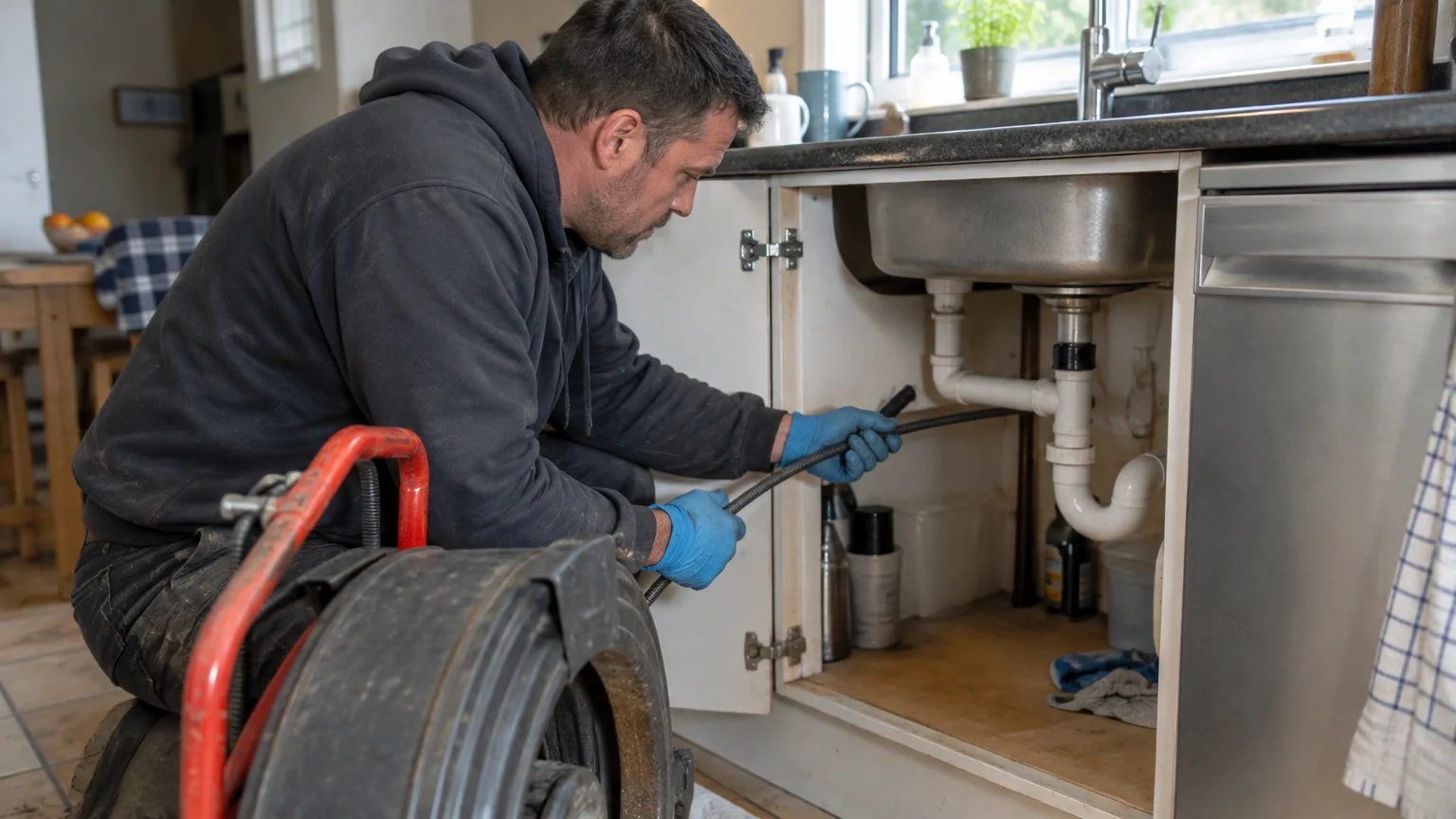
A drain snake, also called a drain auger, uses a flexible cable to reach a blockage. It may help with a deeper clog. Forcing the cable can damage a pipe or trap. The right tool depends on the fixture and blockage.
How standing water and slow drainage contribute to odors
Standing water often signals a partial clog or poor drainage. Note whether other fixtures drain slowly or gurgle. Several affected fixtures may point to a shared branch or main drain problem.
A bathtub that backs up with dirty water needs prompt attention. The same applies to water rising around a floor drain. Continued use can spread dirty water and harm finishes. Drain Cleaning may remove buildup, while drain repair may be needed for a damaged line.
Can a blocked or slow drain cause bad smells?
Yes. A partial clog can trap food, hair, grease, and other material. As that waste breaks down, it can release a strong odor. A drain does not need to be fully blocked before it smells bad.
Early signs include slow flow, gurgling, bubbling near another fixture, or an odor that returns after rinsing. A plunger may help with a simple fixture clog when used correctly. Do not plunge after chemical cleaner has entered the drain.
How partial blockages trap decomposing material
A rough pipe surface, joint, bend, or buildup can catch waste. More material then sticks to that spot. This reduces the opening and leaves a wet layer where bacteria can grow.
Avoid repeated use of harsh chemicals as a first response. They may move a clog without removing it. They can also make later work unsafe. A drain snake or professional method may be better for a stubborn blockage.
Signs the problem extends into the drain line
A deeper issue is more likely when several fixtures are slow, toilets bubble, wastewater backs up, or odors return quickly. Water stains, damp soil, or a sudden drop in flow may suggest a damaged line. Older properties and recent digging may need closer checks.
A professional can use safe tests to find the affected section. The repair may involve Drain Cleaning, drain repair, or work on a vent. The right answer depends on an inspection, not the smell alone.
How can I get rid of a bad drain smell safely?
Start with simple checks. Remove visible debris, clean the stopper or strainer, refill a dry trap, and flush the drain with warm water. Stop DIY work when there is sewage, a strong gas odor, a leak, or a blockage affecting several fixtures.
- Find the source. Check nearby fixtures and note when the odor appears.
- Clean reachable parts. Remove hair, food, soap, and residue from covers and strainers.
- Refill unused traps. Slowly add clean water to fixtures that have been unused.
- Test the flow. Run water and watch for slow drainage, bubbling, or backup.
- Stop if the problem returns. Repeated odors often need a professional diagnosis.
Baking soda and vinegar may freshen a lightly dirty drain. They do not replace proper drain cleaning. Enzyme cleaners use biological ingredients that can break down some organic waste. They may not work on grease, roots, broken pipes, or a solid clog.
Why mixing chemical drain cleaners is dangerous
Different cleaners can react and release heat, fumes, or splashes. Never mix products. Do not add another cleaner after the first one fails. Follow the label directions and provide good airflow.
If you used a chemical cleaner, tell the plumber before work begins. Do not plunge or snake the drain without guidance. Chemical residue may remain in the pipe and injure anyone who opens the connection.
When should I call a plumber about a smelly drain?
Call a plumber when the odor persists, returns quickly, affects several fixtures, or comes with slow drainage, leaks, sewage, or a backup. Professional help is also needed when you cannot safely reach the buildup or do not know which product entered the drain.
Warning signs of a deeper plumbing problem
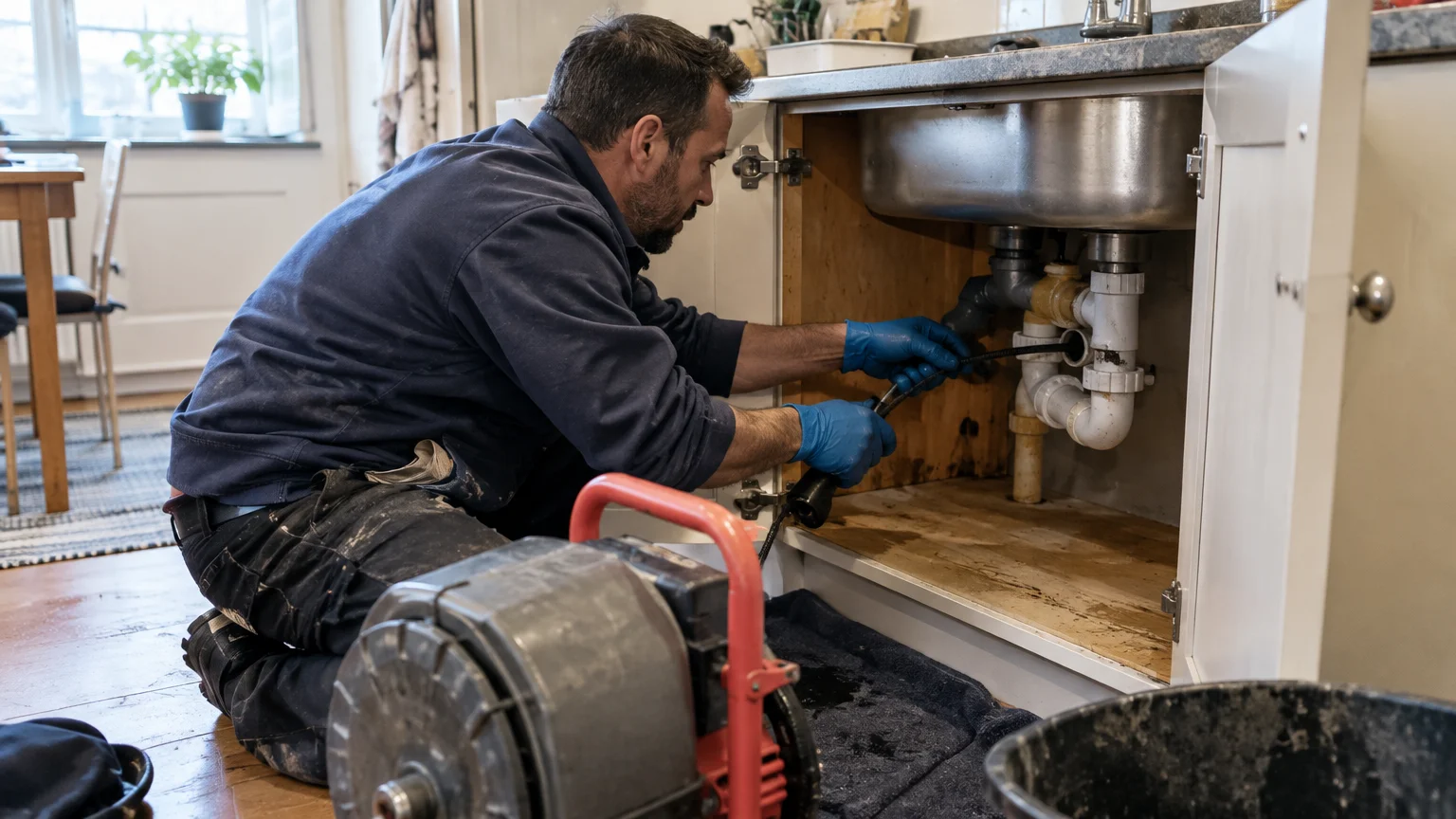
Warning signs include gurgling toilets, water rising in a shower, wet cabinets, sewage near a floor drain, and a foul smell from a wall or crawl space. A drain that smells bad after recent plumbing work also needs a careful inspection.
A leak can harm framing, cabinets, flooring, and insulation. Check exposed pipes, shutoff valves, fixture connections, and visible water stains. Hidden leaks may need professional testing. Learn more about leaks when water damage is present.
Situations requiring urgent professional attention
A burst pipe, uncontrolled leak, sewage backup, or strong rotten egg odor needs urgent attention. The main water shutoff may limit damage during a burst pipe if it is safe to reach. Do not touch electricity near standing water.
Move away from a strong sewer gas odor. Avoid flames and electrical switches in the affected area. Emergency Plumbing can help with urgent leaks, backups, and other hazards. Stockton California Plumbing serves property owners across Stockton, including Downtown, Brookside, Lincoln Village, Spanos Park, Weston Ranch, and nearby areas.
How can I prevent drain smells from coming back?
Regular cleaning, careful use, and early repairs help prevent repeat odors. Use every fixture from time to time, including guest sinks, floor drains, and rarely used showers. Strainers can keep food and hair out of pipes.
Keep grease, oil, coffee grounds, wipes, and food scraps out of kitchen drains. Clean bathroom stoppers and remove hair before it enters the pipe. Do not treat a garbage disposal like a food waste bin.
Routine drain maintenance for homes and businesses
A simple maintenance check can include:
- Cleaning sink strainers, stoppers, and disposal splash guards.
- Checking exposed traps and connections for moisture or corrosion.
- Running water in rarely used fixtures to protect trap seals.
- Watching for slow flow, gurgling, bubbling, and repeat odors.
- Keeping notes about repairs, clogs, and unusual changes.
Businesses should assign care for kitchens, restrooms, utility rooms, and floor drains. Staff should know what cannot enter each drain. Early reports can keep a small fixture issue from affecting more of the property.
What property owners should check after plumbing work
After a repair, run each affected fixture and check its connections. Look under sinks, around toilets, near water heaters, and beside access panels. Report any new leak, odor, or change in flow quickly.
Property owners should confirm that drain covers, cleanouts, traps, and seals are secure. Tenants should report repeated smells or backups. Fast reporting helps protect the building and arrange the right service.
Frequently Asked Questions
Why does one drain smell bad but the others do not?
One smelly drain usually has a local cause, such as buildup, a dry P-trap, or a small clog. Clean reachable parts and refill the trap if the fixture is rarely used. If the odor returns, the trap, vent, connection, or branch line may need professional inspection.
Does baking soda and vinegar clean a smelly drain?
Baking soda and vinegar may reduce light surface residue, but they cannot fix every cause. They will not repair a cracked pipe, refill a faulty trap, clear every deep clog, or correct a vent problem. Never mix them with chemical drain cleaners or other cleaning products.
Is a rotten egg smell from a drain dangerous?
A rotten egg smell may indicate sewer gas or another plumbing problem. Strong odors, headaches, dizziness, nausea, or several affected fixtures need prompt attention. Avoid flames, leave the area if needed, ventilate only when safe, and seek professional plumbing guidance.
Can a plumbing snake clear a smelly drain?
A plumbing snake may clear hair, grease, or other waste from a reachable clog. It cannot correct every cause of an odor. A damaged pipe, blocked vent, failed seal, or main line problem needs a proper diagnosis. Forcing a snake can damage some plumbing systems.
Why does a drain smell bad after cleaning?
The smell may return because buildup remains deeper in the pipe, the P-trap is dry, or sewer gas enters through a faulty seal or vent. Several slow fixtures point to a shared problem. A repeated odor should be checked instead of treated with stronger chemicals.
Key takeaways
- A bad drain smell often comes from buildup, a dry P-trap, or sewer gas.
- Hair, food, grease, soap, and standing water can create local odors.
- Homeowners can clean reachable parts and refill unused traps safely.
- Chemical drain cleaners should never be mixed or used carelessly.
- Persistent odors, backups, leaks, and several affected fixtures need professional help.
Conclusion
A drain that smells bad may warn that waste, water, or sewer gas is trapped in the plumbing system. Simple cleaning can solve a local buildup problem. A dry P-trap may only need water, but a repeated odor can point to a leak, blocked vent, damaged seal, or deeper drain fault.
Homeowners, tenants, and business owners should watch for slow flow, gurgling, standing water, backups, and odors from more than one fixture. Do not cover these signs with stronger chemicals. Stockton California Plumbing helps Stockton property owners choose a safe next step for drain cleaning, drain repair, or urgent plumbing work. Contact us when a smelly drain persists or needs professional attention.